Discover Canada
Canada is the second largest country in the world and it consists of ten provinces and three territories. Often, these are grouped into five main regions of the Atlantic, Central Canada, the Prairies, the West Coast, and the Northern Territories.

Atlantic Canada includes Newfoundland and Labrador, Prince Edward Island, Nova Scotia, and New Brunswick. These provinces are all located on the east coast of Canada and natural resources, specifically ocean living, is a large part of its residents’ culture. Fishing villages and coastal communities are a way of life that reflect the European influences like Celtic and Gaelic traditions
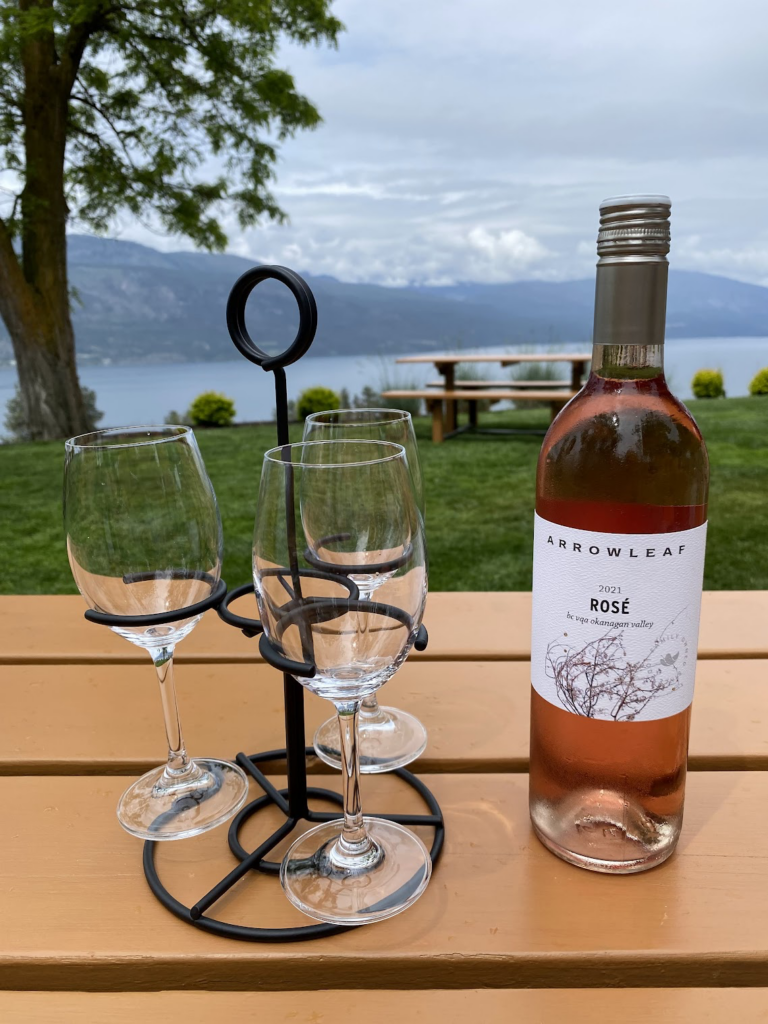
British Columbia, also known as the West Coast, is known for its mountains, forests, and access to the Pacific Ocean. Thanks to its proximity to the ocean, the weather is much more temperate than that of the rest of Canada. B.C.’s economy is supported by a wide range of industries such as forestry, mining, fishing, fruit orchards and wineries.
The Prairie Provinces consist of Alberta, Saskatchewan, and Manitoba and are known for wide, open, fertile farmland. Agriculture and energy sources are the foundation of the region’s economy. Their culture often reflects rural traditions, farming communities, and a strong connection to the land.
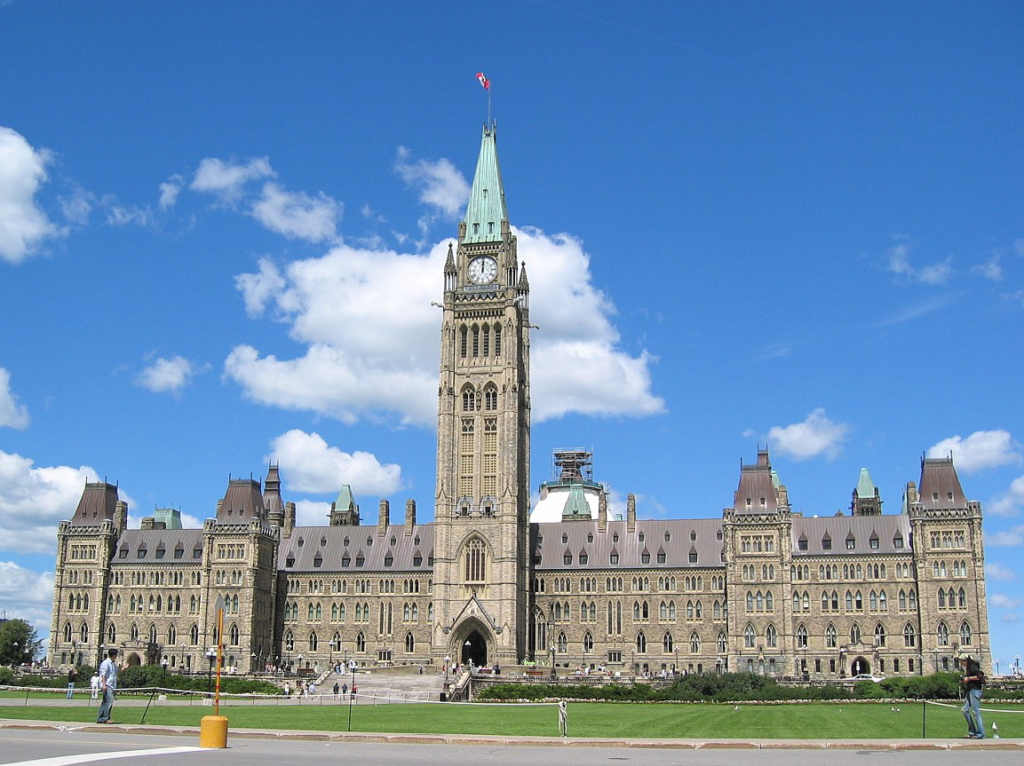
Ontario and Quebec make up Central Canada and is where more than half of Canada’s population lives. These provinces are home to more than three-quarters of Canadian manufactured goods. Quebec is known for their connection to their french roots, with Montreal being the second largest french speaking city in the world. Ontario is home to some of the biggest cities in Canada, most notable is Ottawa, the capital of Canada.
The Northern Territories, Yukon, Northwest Territories, and Nunavut, cover the most land mass of Canada, but also have the lowest population compared to the rest. Many communities are Indigenous and traditional living, such as hunting, fishing and trapping, remain the important parts of life. These territories are made up of tundra with no trees and the soil is frozen.
Together these regions show how Canada’s geography shapes culture. Each community has its own traditions, languages, and ways of life. To know one is not to know them all.